How Can Restaurants Maintain Food Safety Through Professional Cleaning?
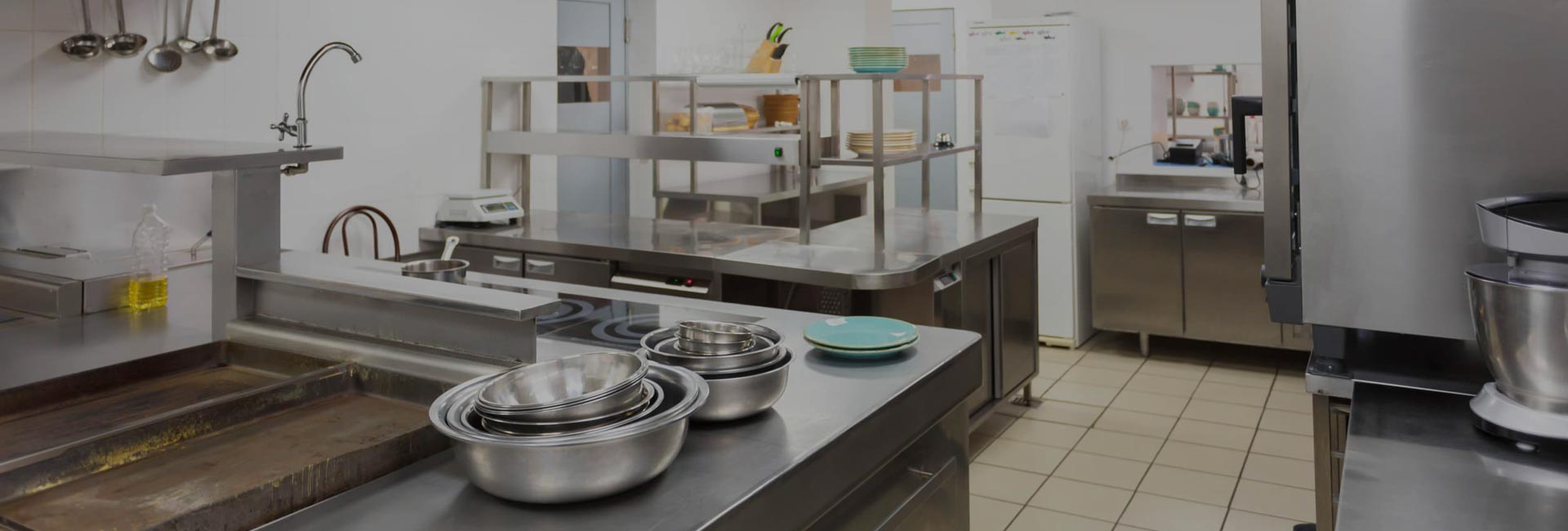
Restaurants can maintain food safety through professional cleaning by removing grease, food residue and dirt, sanitising food-contact surfaces correctly, and following a consistent cleaning schedule. These practices help reduce the risk of cross-contamination, pest activity and foodborne illness while creating a cleaner environment for staff and customers.
For restaurants in Sydney, professional cleaning can complement daily staff hygiene routines and help maintain the cleanliness of kitchens, dining areas, equipment and other high-use spaces. However, cleaning alone does not guarantee food safety; it must work alongside safe food storage, temperature control and proper food handling.
Why Is Professional Restaurant Cleaning Important for Food Safety?
Restaurant kitchens handle raw ingredients, cooked meals, utensils and food preparation equipment throughout the day. Without effective cleaning, food residue and grease can accumulate on surfaces, allowing harmful microorganisms to spread between areas.
Professional cleaning helps address these risks through planned tasks, suitable cleaning products and detailed attention to frequently overlooked areas. It can also help control odours and remove food debris that may attract pests.
A structured cleaning routine makes responsibilities clearer for kitchen staff and helps restaurant managers identify areas that require additional attention. Combining routine staff cleaning with scheduled professional services supports a more consistent approach to restaurant hygiene.
What Areas Should Be Included in a Restaurant Cleaning Checklist?
A practical restaurant cleaning checklist should cover both food preparation areas and customer-facing spaces. The exact tasks and frequency will depend on the kitchen layout, menu, equipment and level of daily activity.
Important areas include:
- Food preparation surfaces: Remove food residue, clean thoroughly and sanitise using a suitable product according to its instructions.
- Cooking equipment: Clean accessible ovens, grills, stovetops and surrounding surfaces to control grease buildup.
- Floors and drains: Remove food debris, mop floors and address grease or residue that could contribute to hygiene problems.
- Frequently touched surfaces: Clean handles, switches, doors and shared equipment regularly.
- Dining areas: Clean tables, seating, glass and floors to maintain a hygienic customer environment.
- Bathrooms and waste areas: Clean toilets, empty bins and manage waste to reduce odours and pest attraction.
Some specialist tasks, such as detailed exhaust system cleaning or intensive equipment cleaning, may require separate arrangements. A tailored checklist helps ensure that these requirements are not overlooked.
What Is the Difference Between Cleaning and Sanitising?
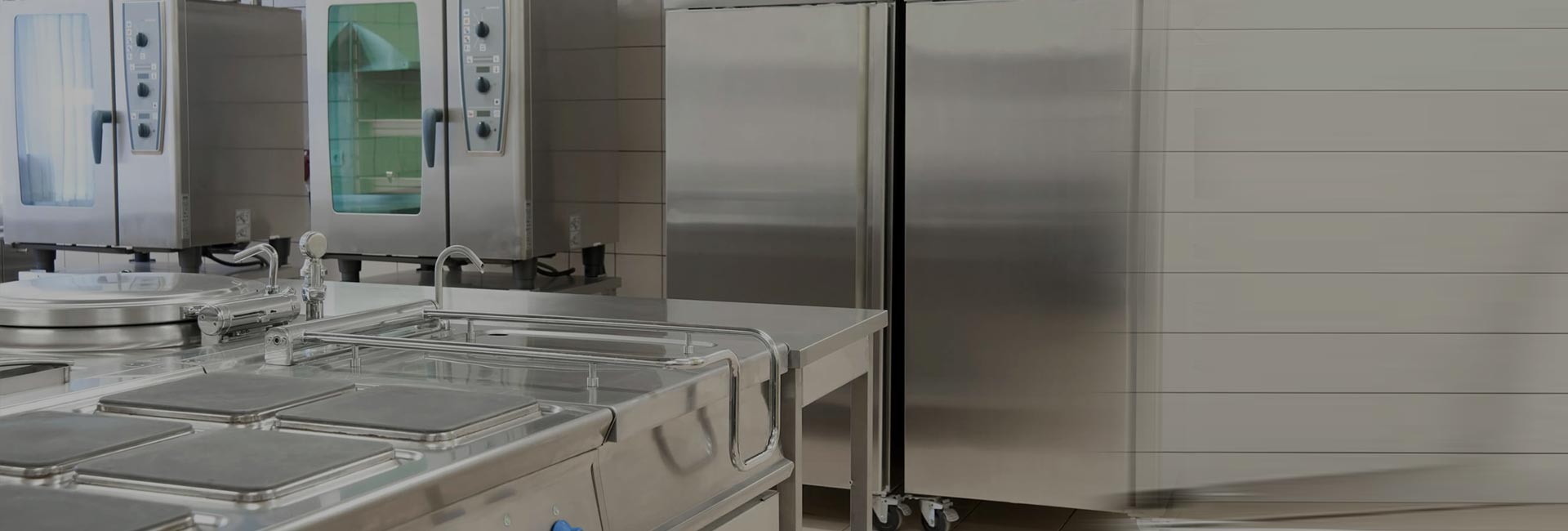
Cleaning and sanitising are different but complementary steps. Cleaning removes visible dirt, food particles and grease, while sanitising reduces microorganisms on an already-clean surface to an appropriate level.
For food-contact surfaces, the correct sequence is essential:
- Remove food scraps and loose debris.
- Wash the surface with a suitable detergent and appropriate cleaning method.
- Rinse when required by the product instructions.
- Apply an appropriate food-contact surface sanitiser according to its label.
- Allow the required contact time and complete any rinsing or drying steps specified by the manufacturer.
Using the wrong chemical, incorrect concentration or insufficient contact time can reduce effectiveness. Staff should follow product instructions and keep cleaning chemicals stored safely away from food and food-preparation equipment.
How Often Should a Restaurant Be Professionally Cleaned?
The ideal cleaning frequency depends on food production volumes, operating hours, equipment use and the condition of the premises.
Food preparation surfaces, utensils and frequently touched areas need attention throughout daily operations. Floors, cooking areas and waste points should be cleaned according to their use and the restaurant's documented schedule. Periodic deep cleaning can address accumulated grease and hard-to-reach areas that routine cleaning may miss.
Professional cleaning may be scheduled after trading hours, weekly or at other suitable intervals. Managers should review the schedule regularly and adjust it when inspections identify recurring problems.

How Can Restaurants Prepare for Food Safety Inspections?
Restaurants can prepare by maintaining an up-to-date cleaning schedule, assigning clear responsibilities and checking that completed tasks meet the required standard. Staff should understand the difference between cleaning and sanitising, use chemicals correctly and follow safe food-handling procedures.
Managers should also investigate recurring grease buildup, pest activity, damaged surfaces and other hygiene concerns rather than simply cleaning visible areas before an inspection. Professional cleaning can support these efforts, but compliance depends on the restaurant's overall food safety practices and applicable requirements.
Where Can Sydney Restaurants Get Professional Cleaning Support?
Choosing a cleaning provider with relevant hospitality experience can help restaurants establish a practical cleaning plan, maintain detailed specifications and address areas that need specialist attention.
Healthy Kitchen Cleaning Sydney offers restaurant cleaning services in Sydney, including customised cleaning specifications, trained staff and regular inspections. Its services can complement a restaurant's existing hygiene procedures.
If your restaurant needs a more consistent cleaning routine, visit the restaurant cleaning services to review the service and enquire about your requirements. You can also explore the Healthy Kitchen website for more information about its cleaning and hygiene services.
Want to improve your restaurant's cleaning routine? Review your current checklist, identify overlooked areas and arrange professional cleaning support where needed. A consistent, well-planned approach helps protect customers, support staff hygiene practices and maintain a clean, welcoming restaurant environment.
Frequently Asked Questions
How does professional restaurant cleaning support food safety?
Professional restaurant cleaning helps remove grease, food residue and dirt from kitchen surfaces and equipment. When combined with correct sanitising, safe food handling and suitable cleaning schedules, it supports a hygienic food preparation environment.
What is the difference between cleaning and sanitising?
Cleaning removes visible dirt, food particles and grease. Sanitising reduces microorganisms on an already-clean surface to an appropriate level. Both steps should be performed using suitable products and according to their instructions.
How often should a restaurant be professionally cleaned?
The frequency depends on food production volumes, operating hours, equipment use and the condition of the premises. Daily cleaning should be supported by a documented schedule and periodic professional deep cleaning where required.
Which areas should be included in a restaurant cleaning checklist?
A restaurant cleaning checklist should cover food preparation surfaces, cooking equipment, floors, drains, frequently touched surfaces, dining areas, bathrooms and waste areas. Specialist cleaning tasks may require separate arrangements.
Can professional cleaning guarantee food safety compliance?
No. Professional cleaning can support a restaurant's hygiene practices, but food safety also depends on safe food handling, correct storage and temperature control, staff procedures and applicable requirements.